

Do Conservatories or Orangeries Need Blinds? Pros, Cons and When They’re Essential
Conservatories and orangeries are designed to maximise natural light, but without the right shading, they can quickly become too hot, too bright or difficult to use.
So, do conservatories need blinds? The answer depends on how you want to use the space, but in many cases, blinds are what make the room comfortable and practical all year round.

What happens if a conservatory has no blinds?
Without blinds, conservatories are exposed to direct sunlight throughout the day.
This can lead to excessive heat build-up in summer, glare on screens, and fading of furniture over time. In colder months, the lack of insulation can also make the space feel less comfortable.
While the room may look bright, it is often not as usable without some form of light and temperature control.
What are the benefits of adding blinds?
Blinds help manage the key challenges that come with glass extensions.
They reduce heat, soften harsh sunlight and improve privacy when needed. This makes the space more adaptable, whether you are using it as a living area, dining space or home office.
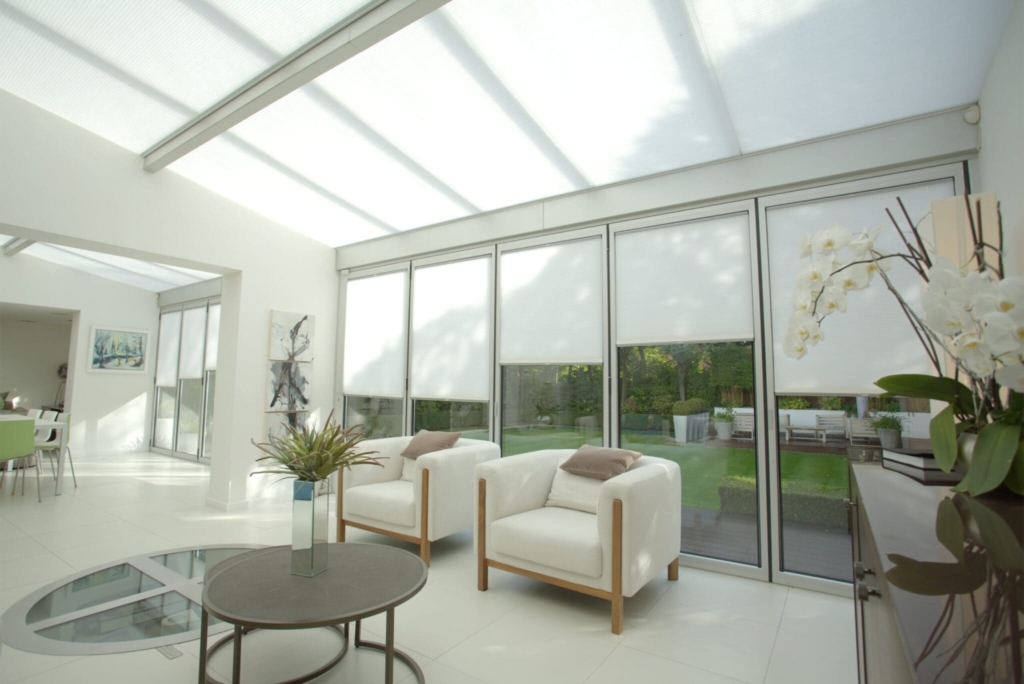
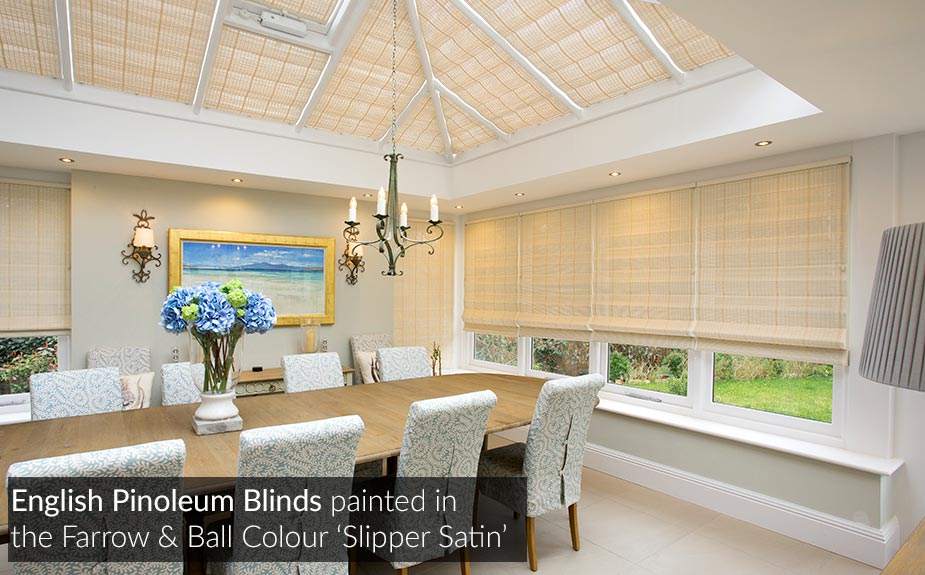
They also play a role in overall conservatory interior design ideas, helping create a more finished and cohesive look.

Are there any downsides to conservatory blinds?
The main consideration is choosing the right type of blind for your space.
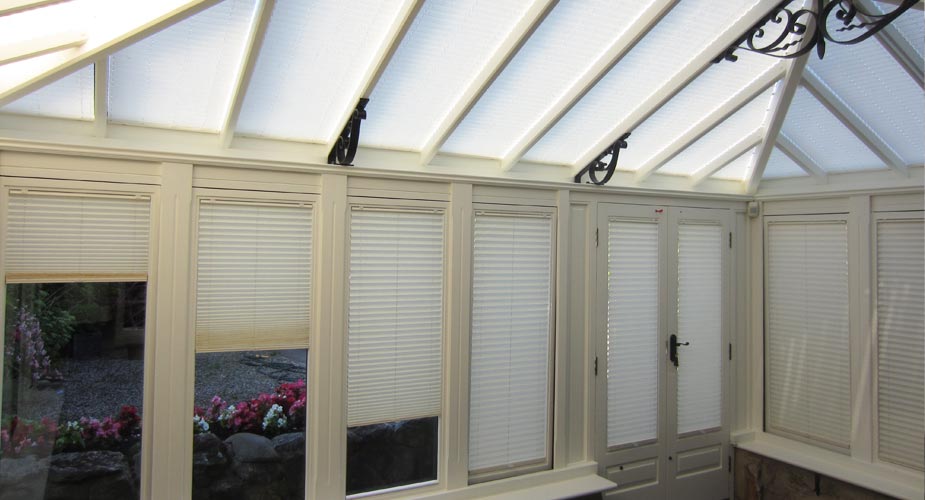
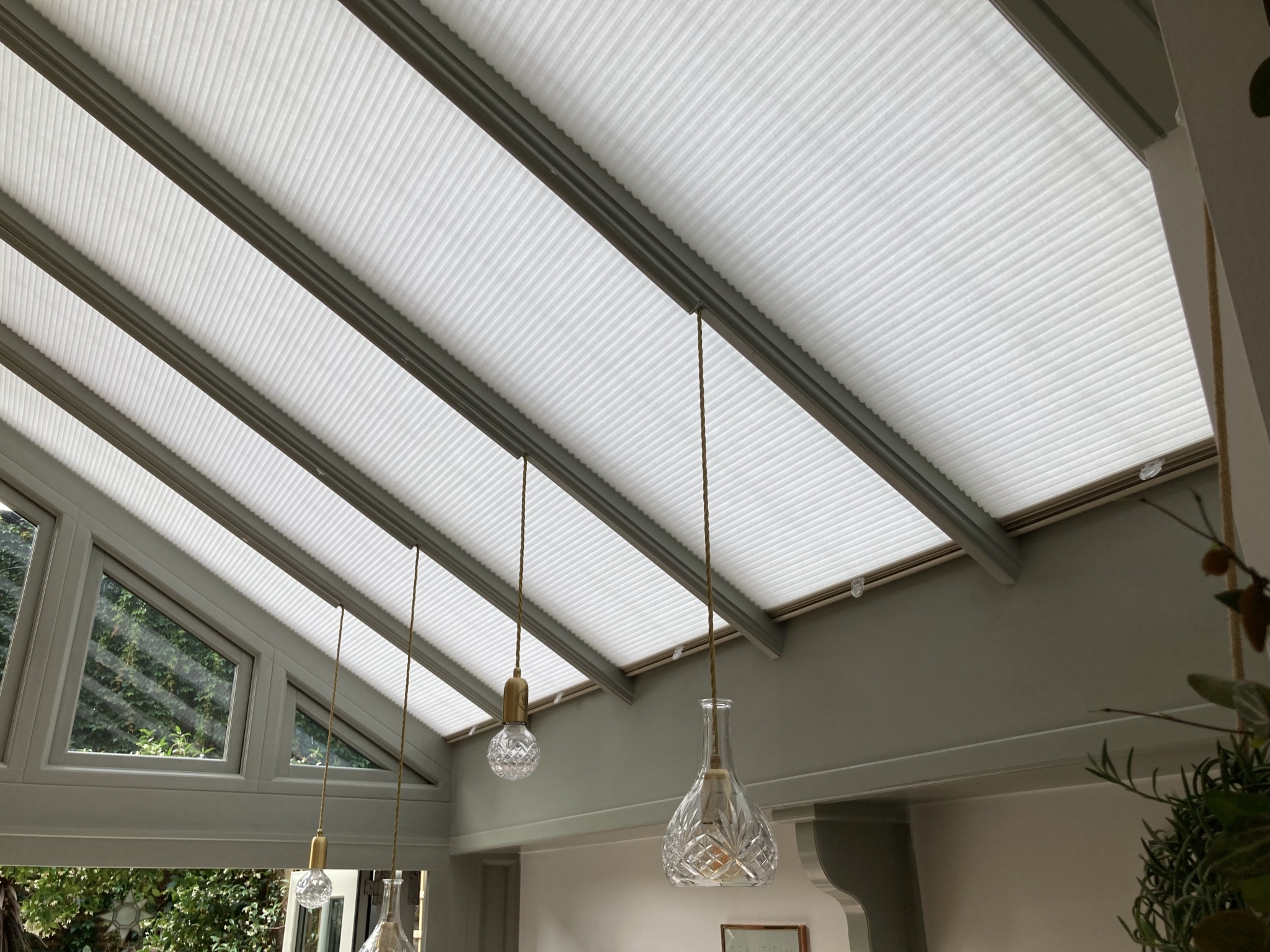
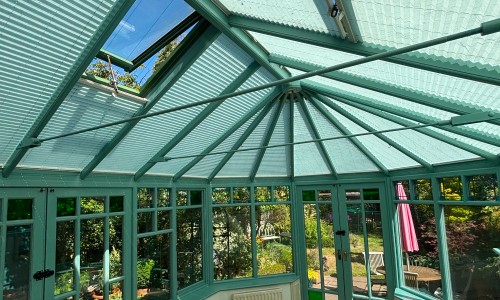
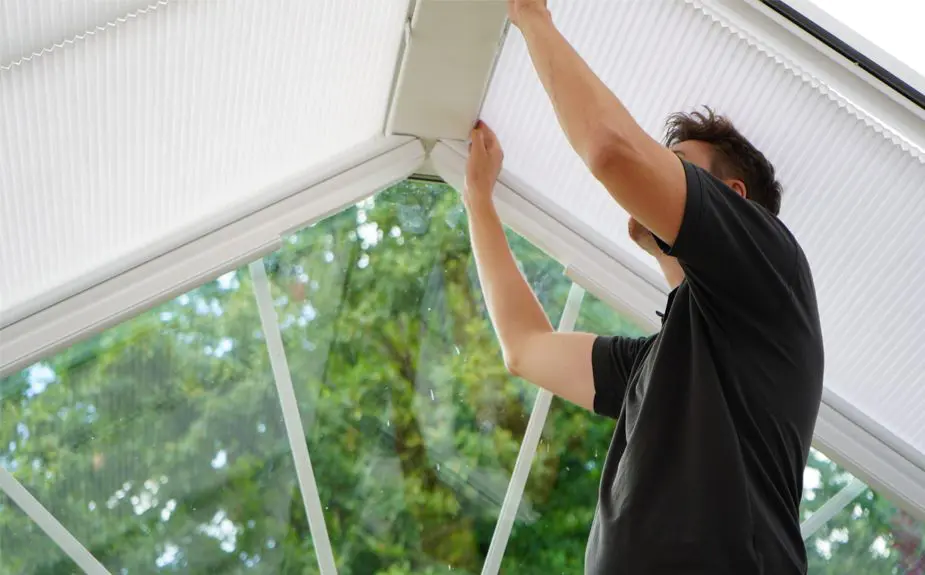
Poorly fitted or low-quality blinds may not perform effectively, which can lead to ongoing issues with heat or glare. This is why made to measure solutions are often recommended, especially for roof sections or unusual shapes.
When chosen carefully, the benefits of blinds tend to outweigh any drawbacks.
When are blinds essential in a conservatory or orangery?
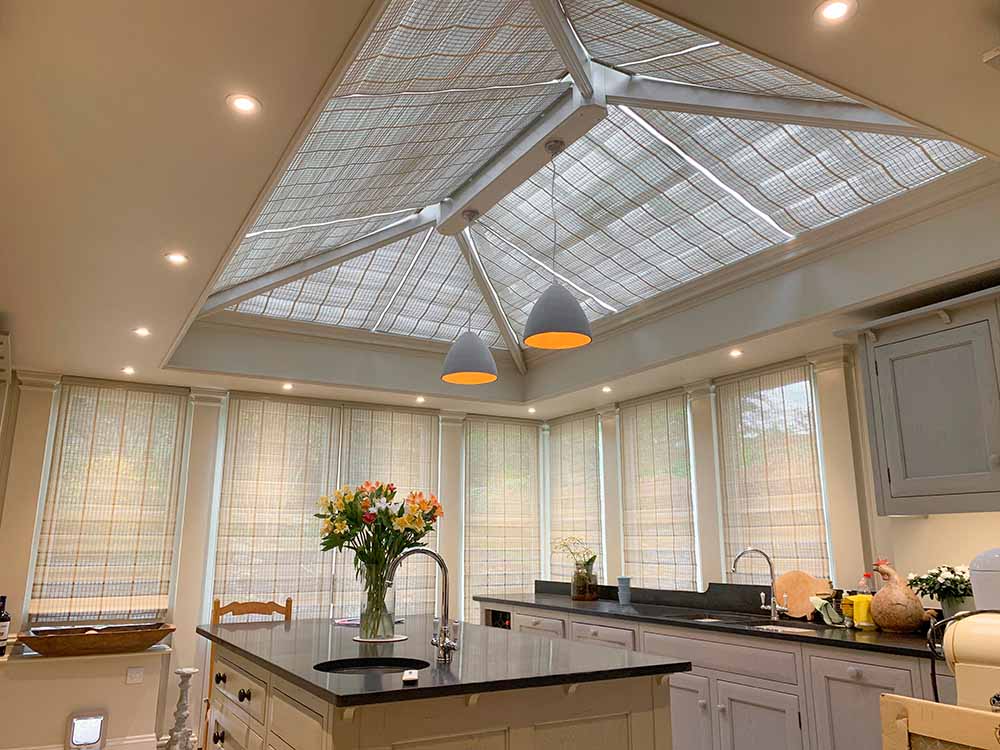
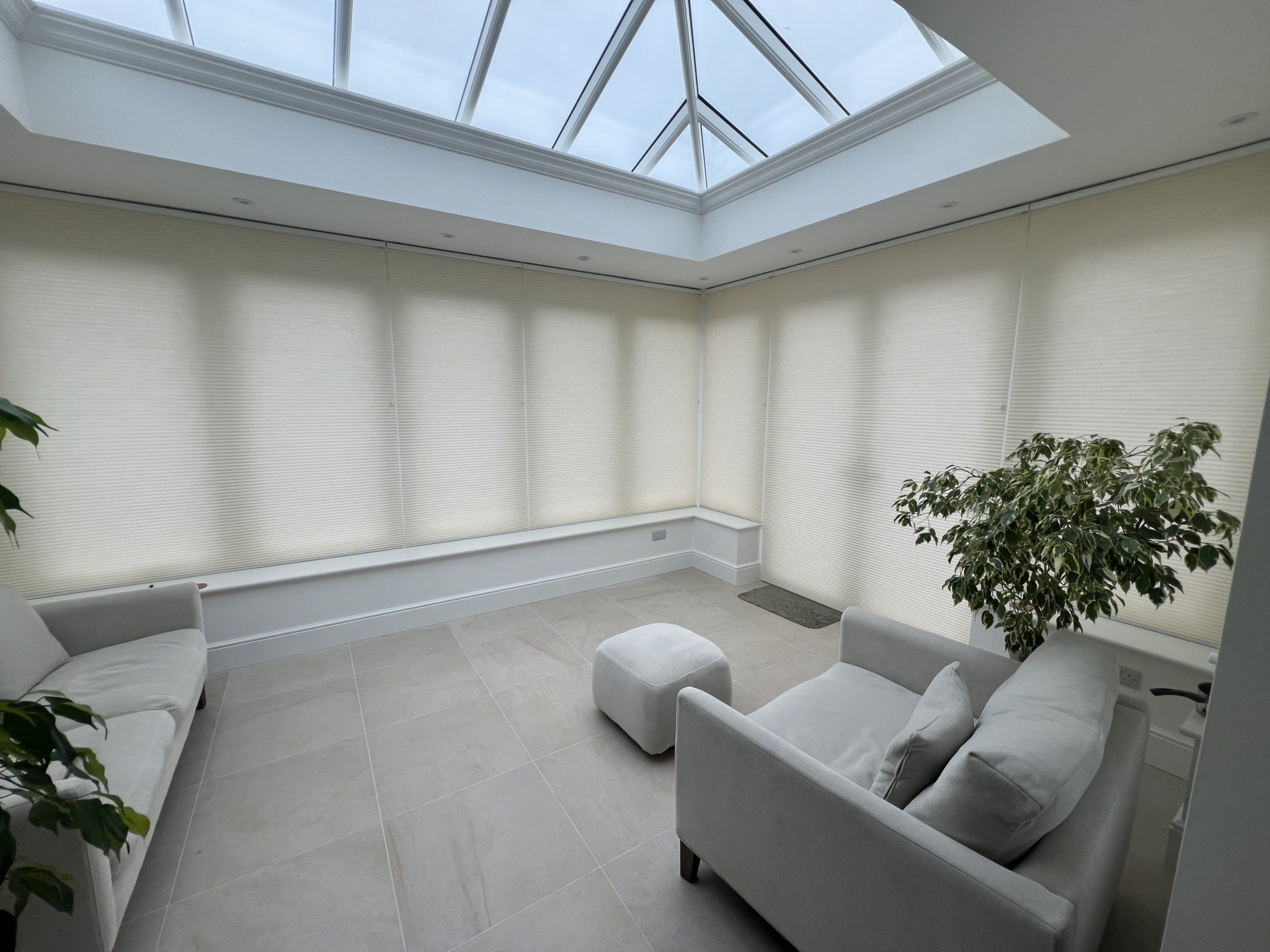
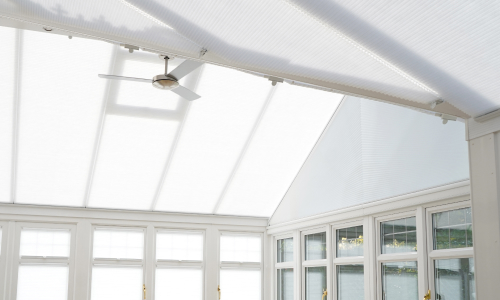
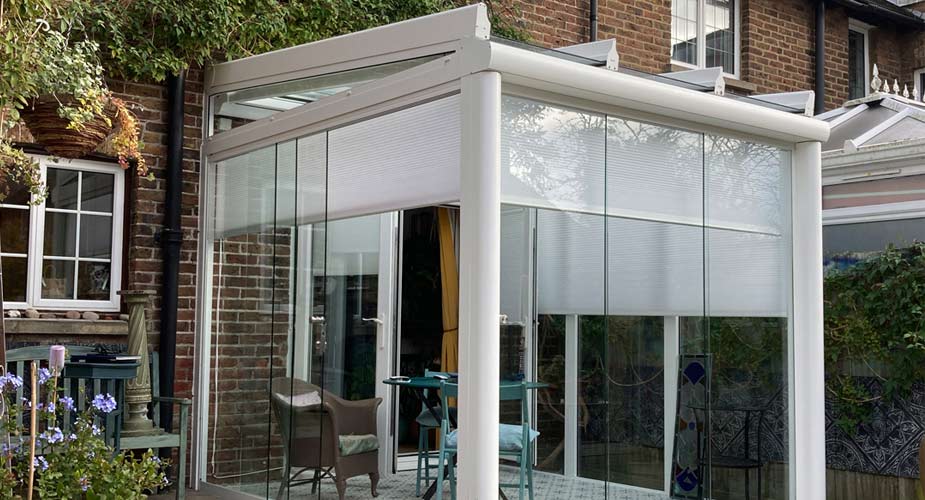
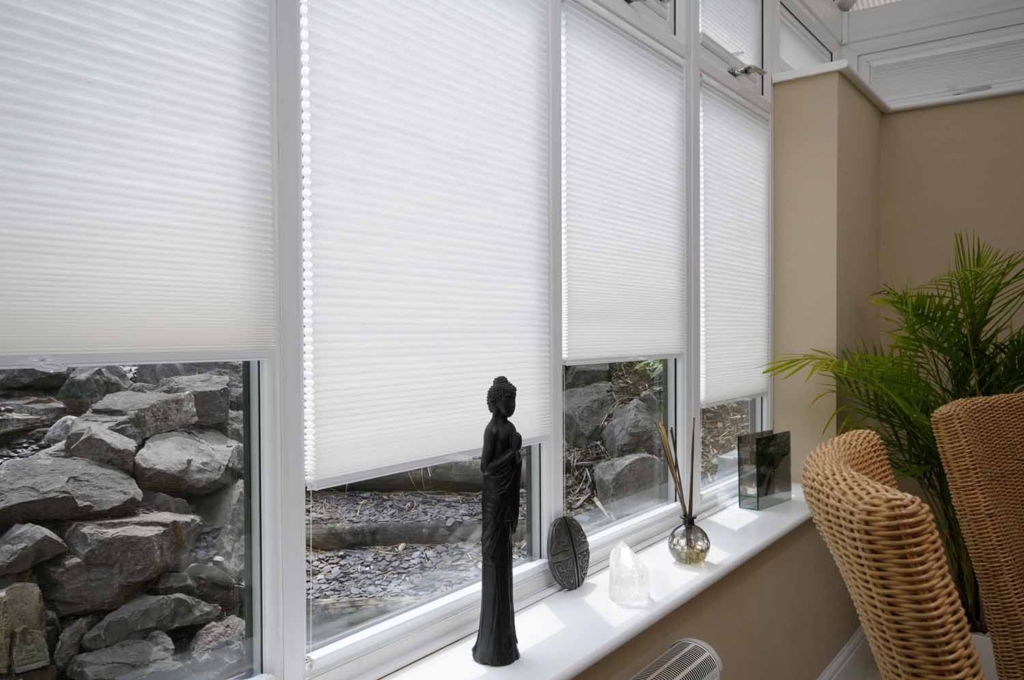
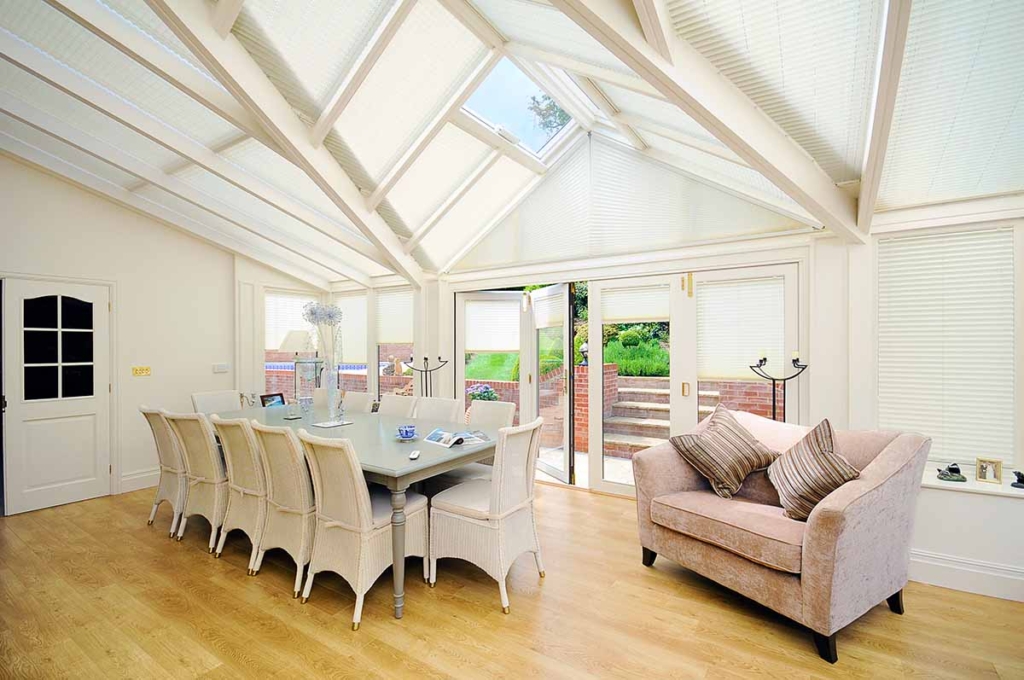
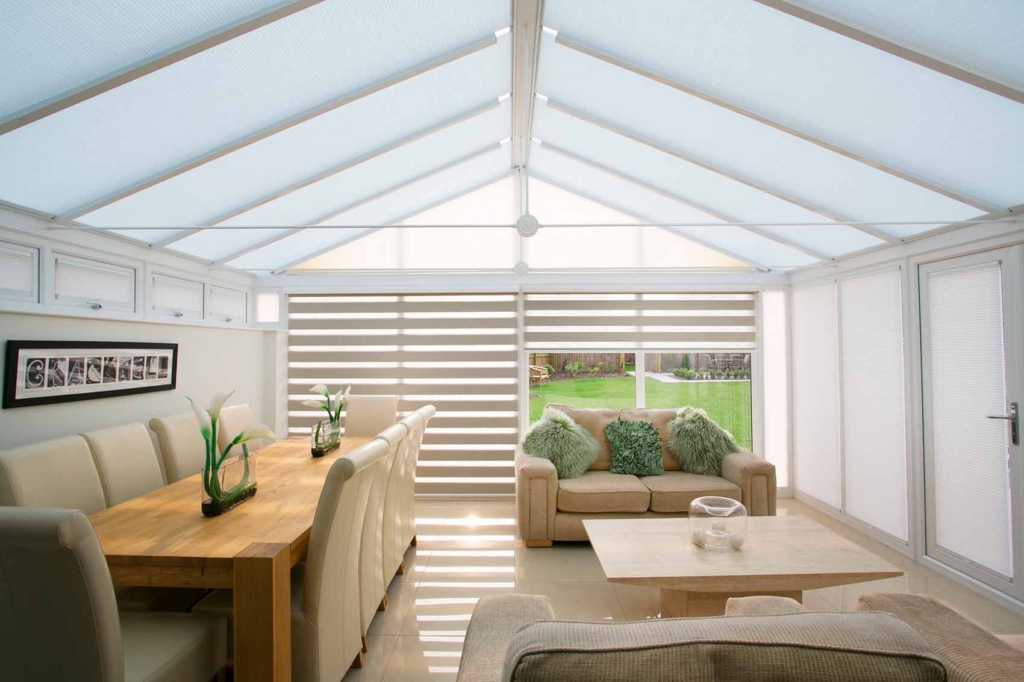
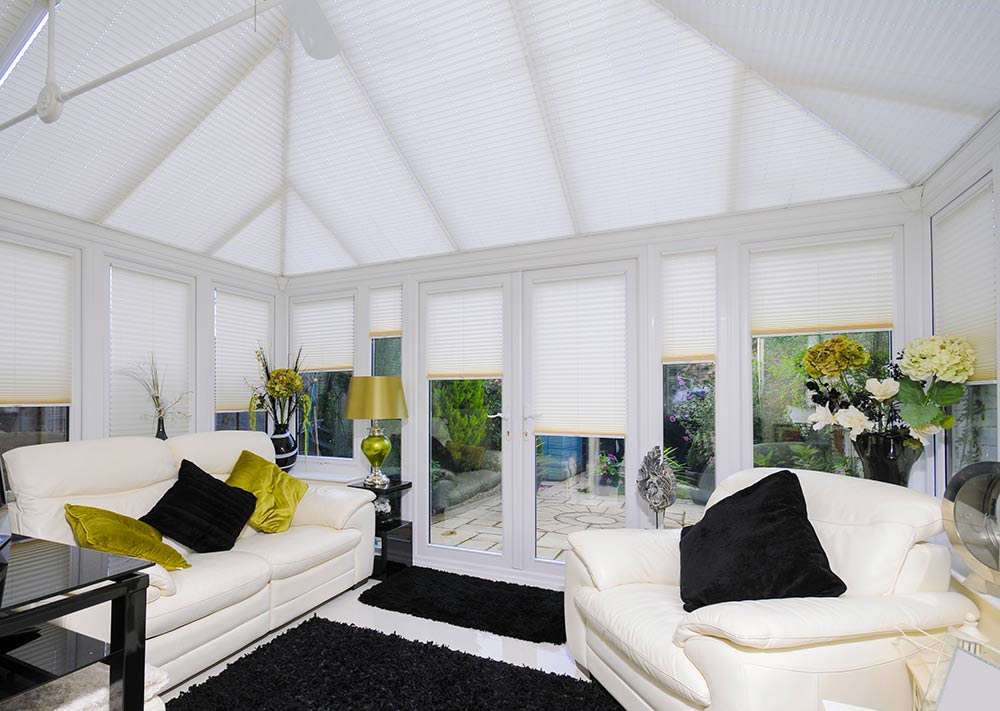
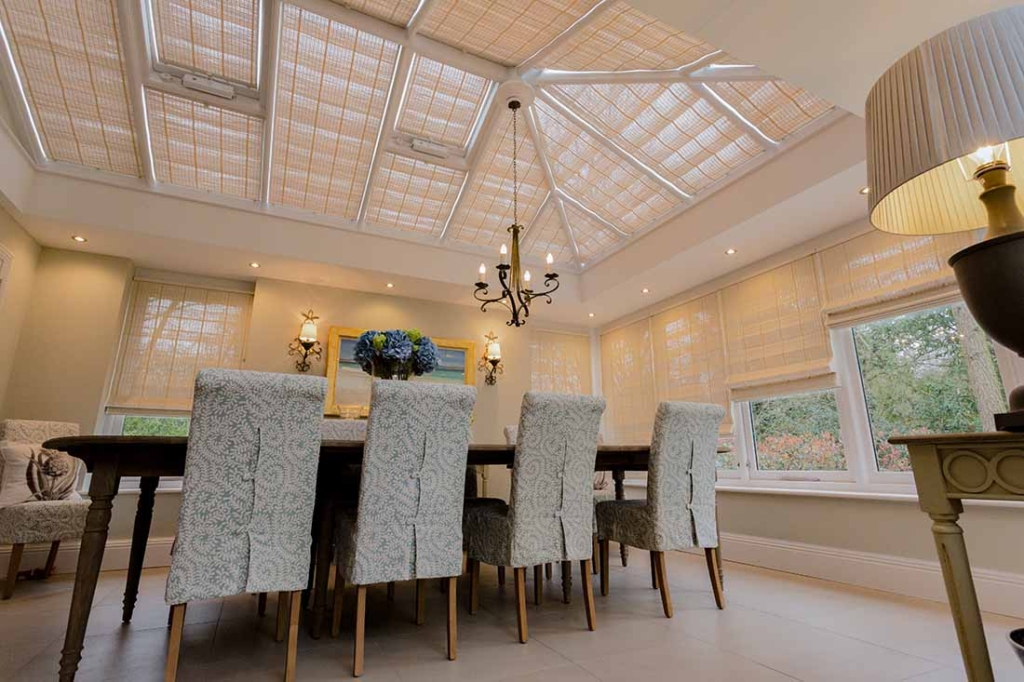
Blinds become essential when the space is exposed to strong sunlight or used regularly throughout the day. Conservatory roof blinds often provide the most benefits for reducing heat and glare. Whilst conservatory window blinds are needed when the sun is lower in the sky, and for privacy.
If your conservatory feels too hot to sit in, too bright to work in, or difficult to enjoy comfortably, blinds are no longer optional. They are a practical solution that allows you to use the room as intended.
This is particularly true for larger glass extensions or south-facing spaces where heat and glare are more intense.

Do orangeries also need blinds?
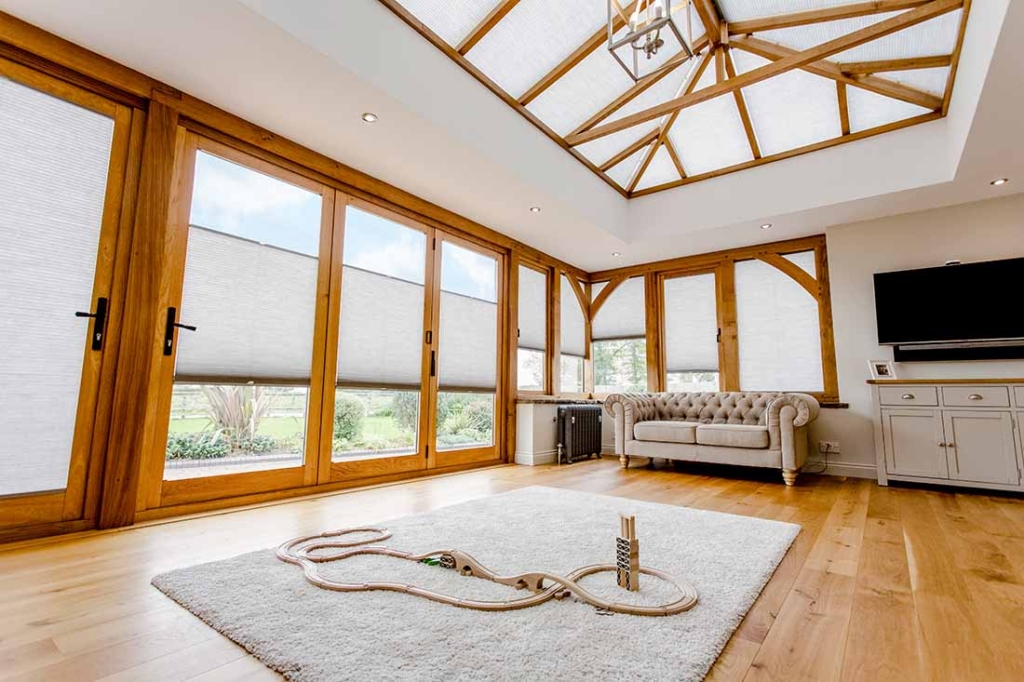
Although orangeries often have more solid structure than conservatories, they still include large glazed areas.
This means they can experience similar issues with light and temperature. Blinds help balance the space, ensuring it remains comfortable while still benefiting from natural light.
How do you decide if blinds are right for your space?
The best way to decide is to consider how your conservatory or orangery currently feels.
If you are experiencing discomfort due to heat, glare, or lack of privacy, blinds can make a significant difference. They are not just an addition, but a way to unlock the full potential of the space.
If you would like tailored advice for your space, you can get in touch here.
HELPFUL INFORMATION
Frequently Asked Questions
Do conservatories need blinds?
In most cases, yes. Blinds help control heat, light and privacy, making the space more usable.
Are blinds necessary in an orangery?
While not always essential, they are highly beneficial for managing light and temperature.
What problems do blinds solve in a conservatory?
They reduce heat build-up, minimise glare and help protect interiors from sun damage.
Are made to measure blinds better for conservatories?
Yes. A precise fit improves performance and ensures the blinds work effectively.