


How to Stop Condensation in a Conservatory?
Condensation in conservatory spaces is a common issue, especially during colder months. Many homeowners notice condensation on conservatory windows or droplets forming on the roof and wonder how to fix the problem.
If you are asking questions like:
- why is my conservatory full of condensation
- why do my conservatory windows steam up
- how do I stop condensation in my conservatory
you are not alone. Conservatories contain large areas of glazing, which makes them more prone to temperature changes and moisture build up.
Understanding what causes condensation in conservatory spaces is the first step to solving the issue.
How to Stop Condensation in Conservatory in Winter?
The most effective way to stop condensation in conservatory in winter is to reduce humidity and improve airflow. Condensation forms when warm, moist air touches cold glass surfaces such as conservatory windows or roof panels.
If you are wondering how to stop condensation in a conservatory, the following steps usually make the biggest difference:
- Improve ventilation by opening trickle vents or windows each day
- Reduce indoor humidity by avoiding drying clothes in the conservatory
- Use a dehumidifier during colder months if moisture levels are high
- Maintain steady heating to prevent warm air cooling quickly on glass
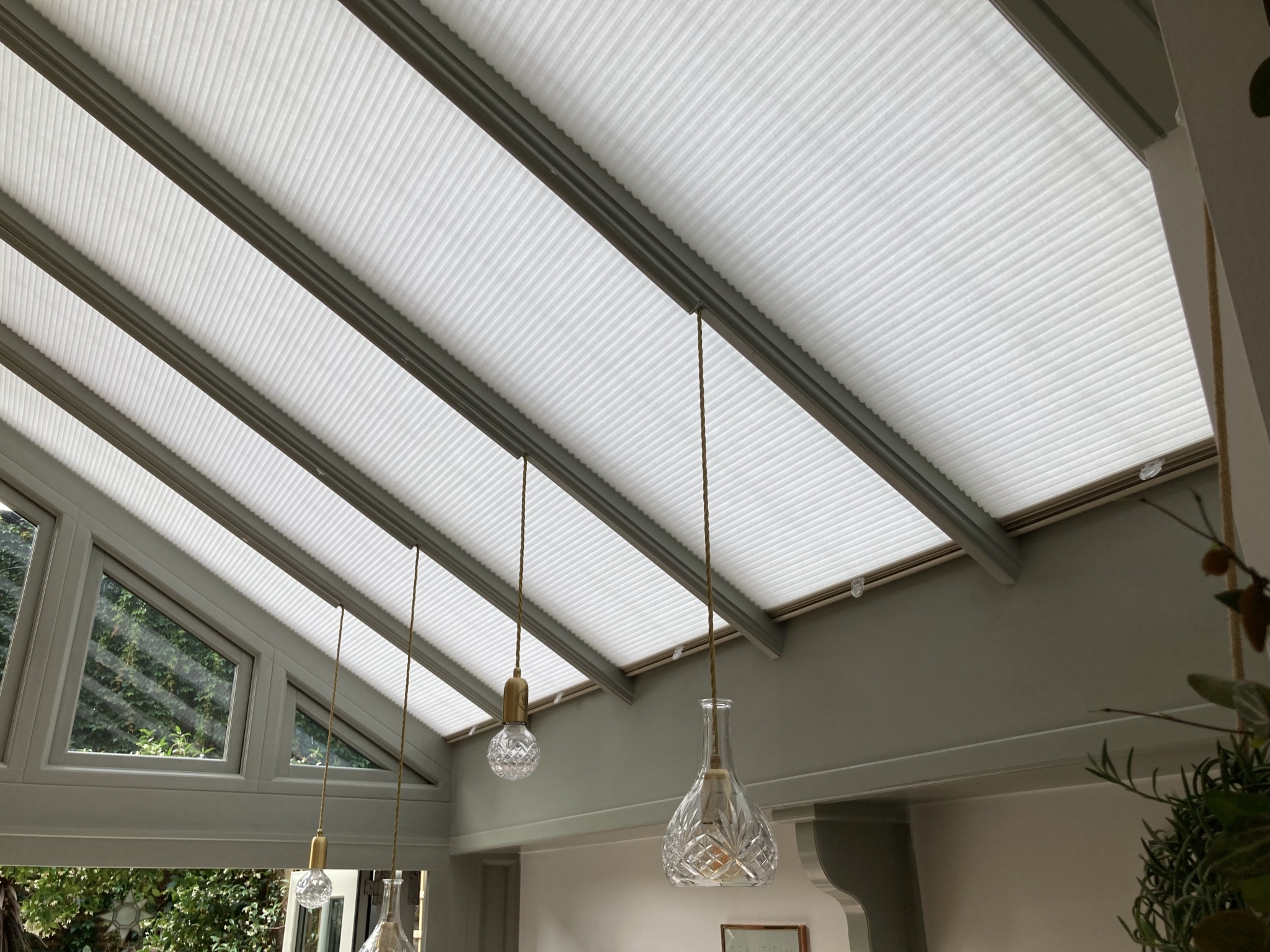
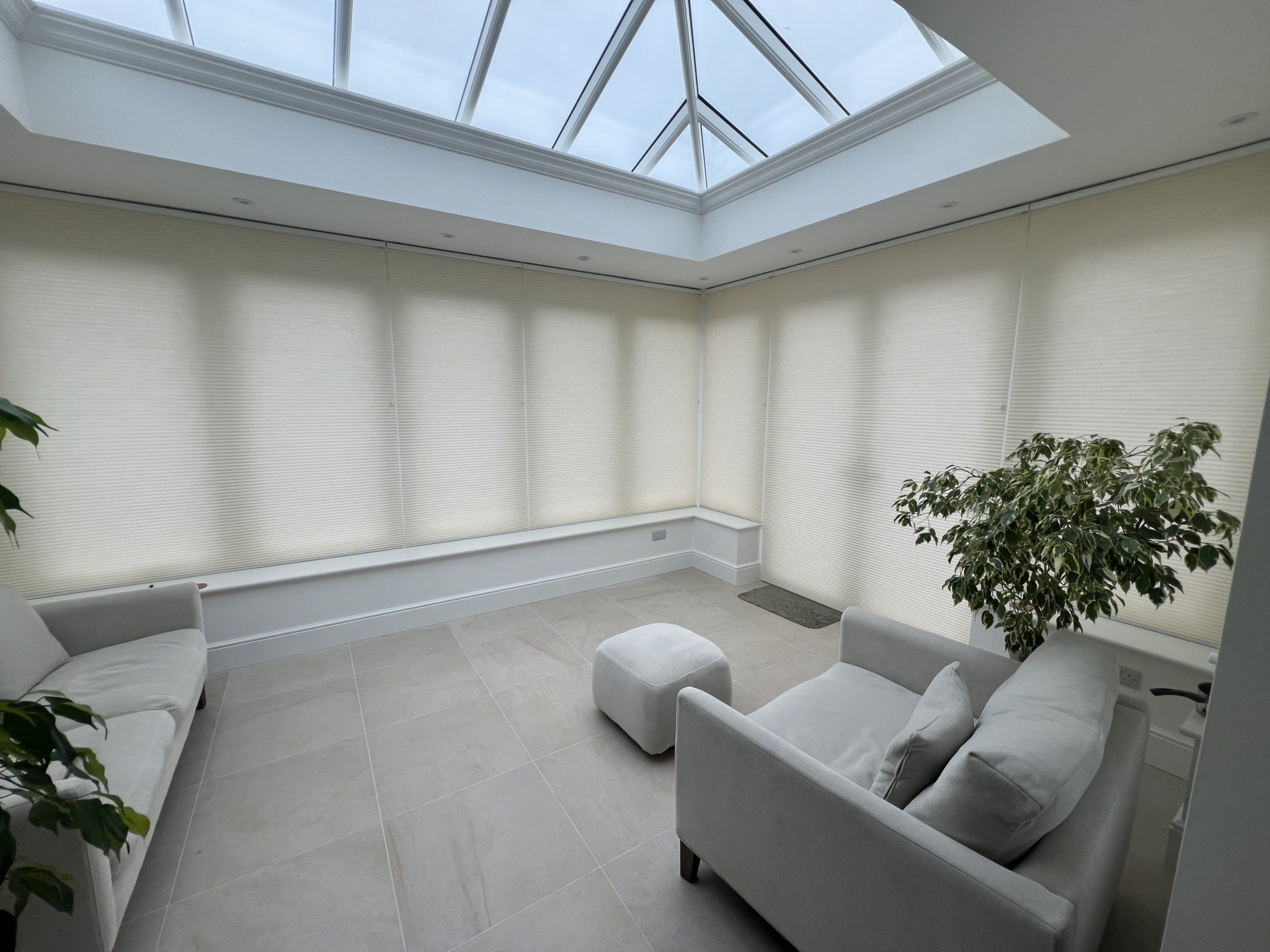
- Install thermal conservatory blinds to help reduce cold glass surfaces
Taking these steps will help reduce condensation in conservatory spaces and prevent damp conditions during winter.
Why Condensation Happens in Conservatories?
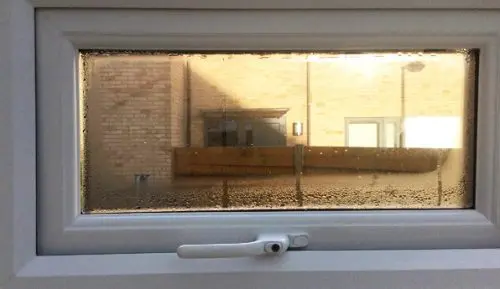
Condensation occurs when warm, moist air comes into contact with colder surfaces such as glass.
When this happens, the moisture in the air turns into water droplets. This is why many people see condensation on conservatory windows or condensation on conservatory roof panels during winter months.
Several factors can make the problem worse:
- Poor ventilation
- High humidity inside the room
- Cold outdoor temperatures
- Broken window seals
- Large areas of glazing
Because conservatories are almost entirely made of glass, they are particularly vulnerable to this effect. This is why many homeowners ask “why does my conservatory get condensation during winter?”
If condensation continues to build up without being addressed, it can lead to mould in conservatory in winter and damp conditions that damage furniture, walls and blinds.
Why Do My Conservatory Windows Steam Up?
When people notice conservatory windows condensation, it usually means that humidity inside the room is too high.
Activities such as drying clothes, cooking or even watering plants can increase moisture levels. When this humid air touches cold glass, droplets form quickly.
The key to solving the problem is managing humidity and maintaining consistent airflow throughout the space.

Can Blinds Cause Condensation?
No. Blinds themselves do not cause condensation.
A common question we hear is do blinds cause window condensation or do roller blinds cause condensation. In reality, condensation forms due to humidity and temperature differences, not because of blinds.
However, condensation can sometimes appear as condensation behind blinds or condensation on window blinds if the room already has high humidity.
This can lead people to believe the blinds are the cause, when the real issue is moisture in the air.
Some homeowners also ask “do blinds stop condensation?” and while blinds cannot remove moisture from the air, thermal blinds can help regulate temperature and reduce cold surfaces where condensation forms.
Tips for Reducing Condensation in Your Conservatory
The best way to prevent condensation in conservatory spaces is to control airflow and humidity.
These practical steps can help:
Improve ventilation
- Keep trickle vents open where possible
- Open windows or doors briefly each day to refresh air
- Allow airflow between the conservatory and the rest of the house
Control humidity
- Use a dehumidifier if moisture levels are high
- Avoid drying clothes in the conservatory
- Reduce steam from cooking or indoor plants
Check the structure
- Inspect seals around windows and doors
- Look for gaps where moisture might enter
- Ensure drainage around the conservatory is working properly
These measures help reduce condensation in conservatory spaces and prevent long term damp problems.

How to Prevent Mould in Conservatory?
If condensation is left untreated, it can quickly lead to mould in conservatory areas.
Mould thrives in damp environments, particularly when condensation forms regularly on glass or frames. This is why many homeowners experience mould in the conservatory in winter.
To prevent mould in conservatory spaces, it is important to:
- Reduce humidity in the room
- Improve airflow
- Clean surfaces regularly
- Address condensation early
Keeping blinds clean is also important. Mould grows on organic materials, so dust or dirt on blinds can allow mould to develop over time.
How to Stop Mould in Conservatory in Winter?
If you are searching for how to stop mould in conservatory in winter, the key is prevention.
Once mould forms, it can be extremely difficult to remove completely, particularly from fabrics or natural materials. In many cases cleaning products strong enough to remove mould may damage the blinds themselves.
This is why the best approach is to stop condensation before mould has a chance to develop.
If mould does appear, it is important to act quickly to get rid of mould in conservatory areas before it spreads.
The Role of Blinds in Managing Conservatory Condensation
While blinds do not remove moisture from the air, they can help stabilise temperature in the room.
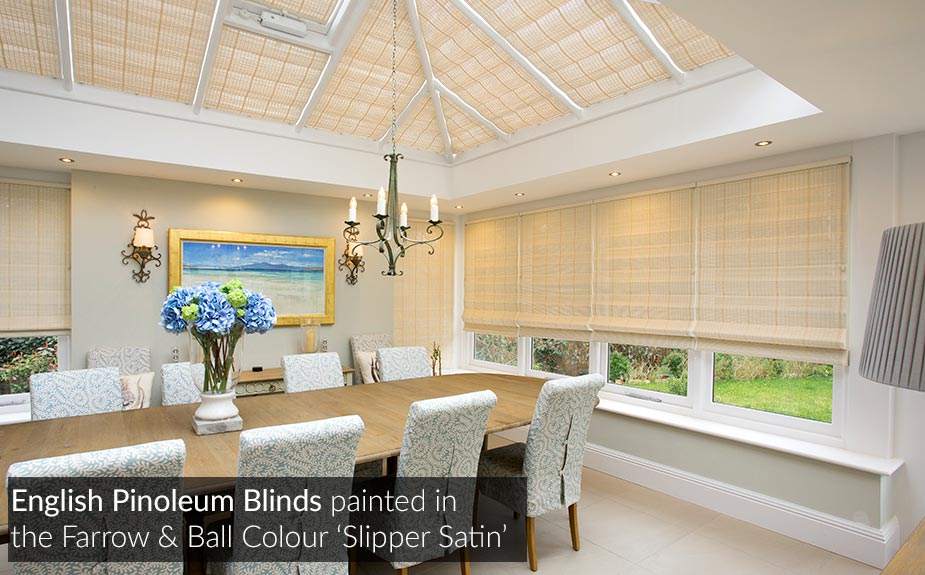
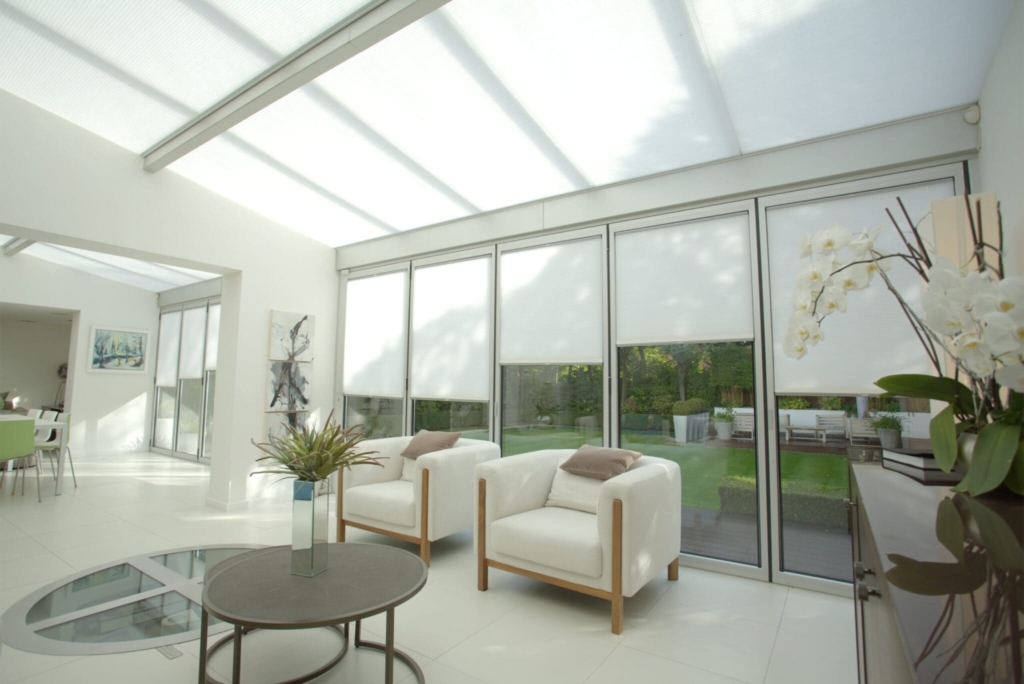
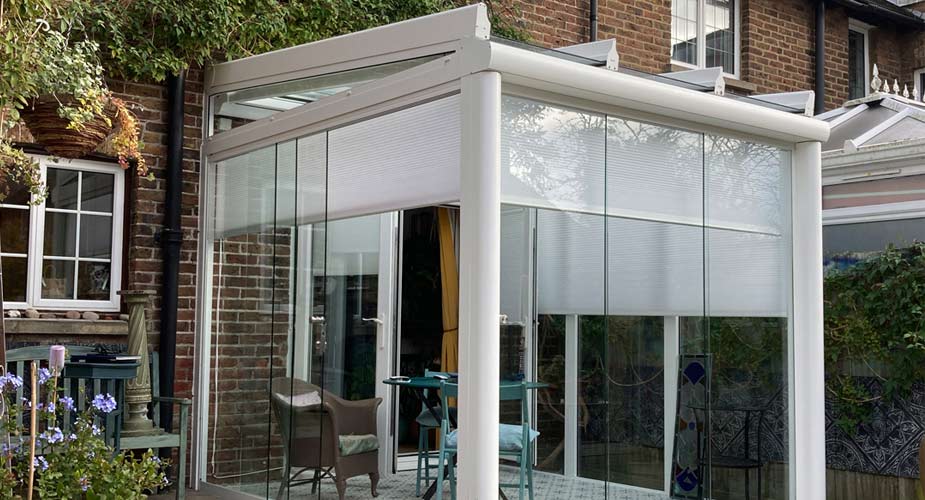
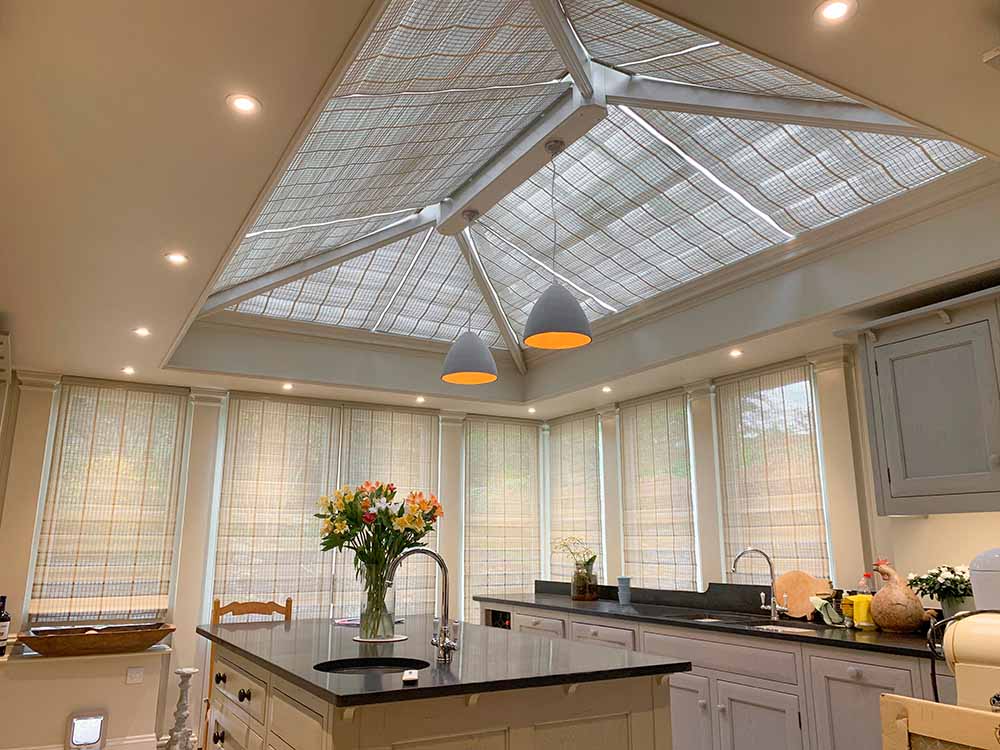
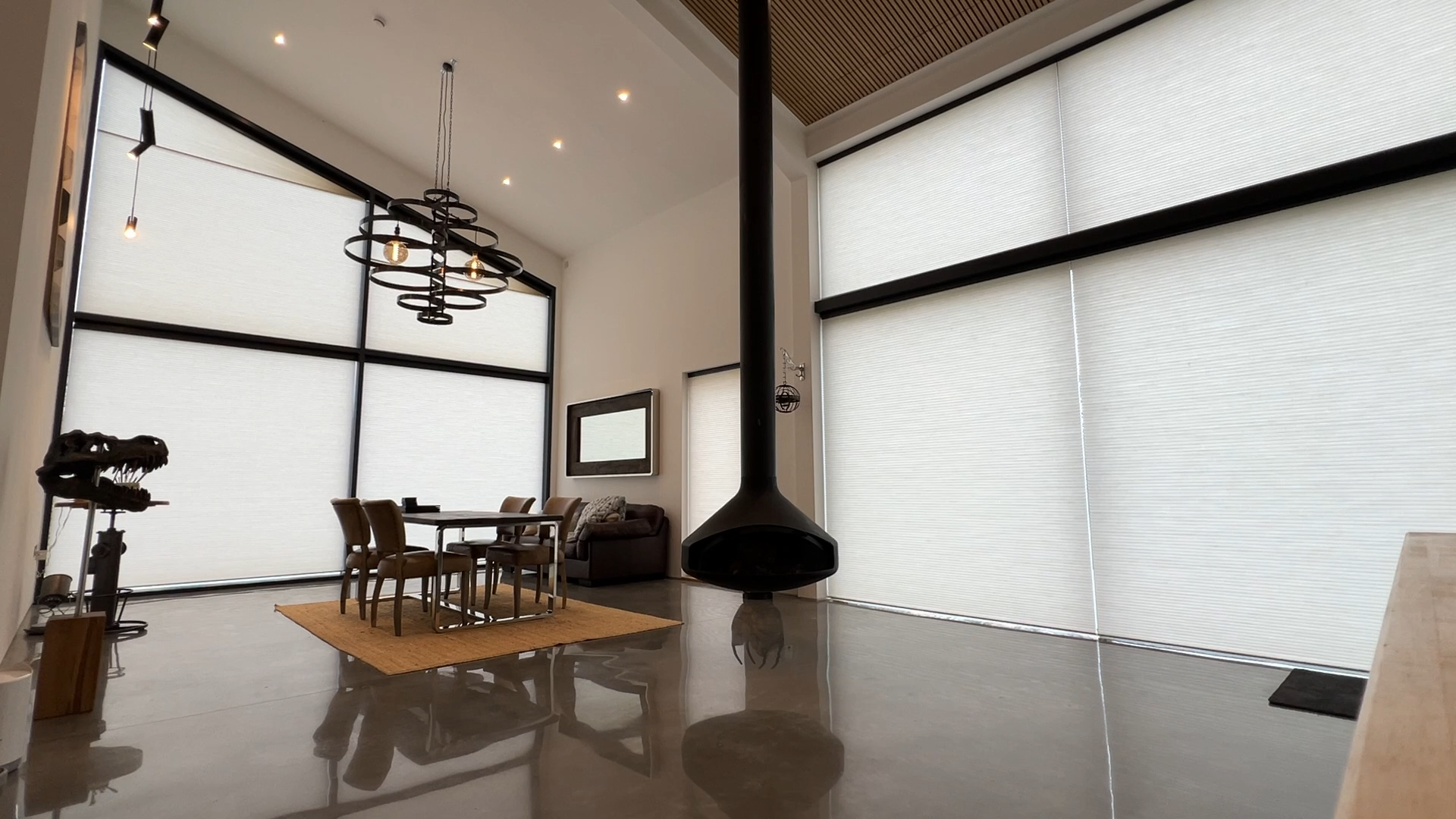
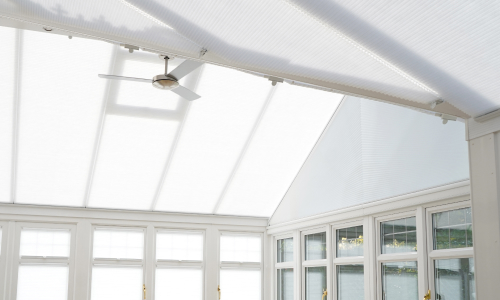
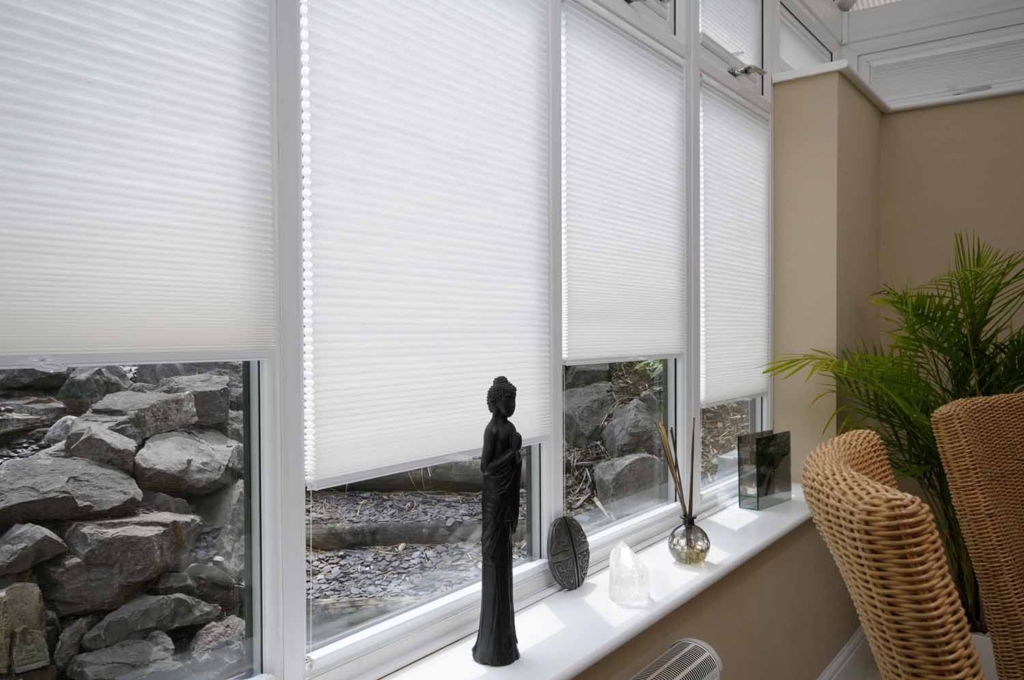
Thermal conservatory blinds add an insulating layer between the interior and the cold glass surfaces. This can help reduce cold spots that encourage condensation to form.
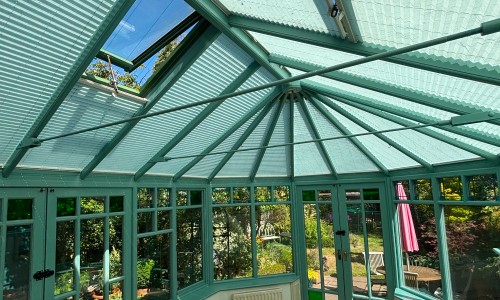
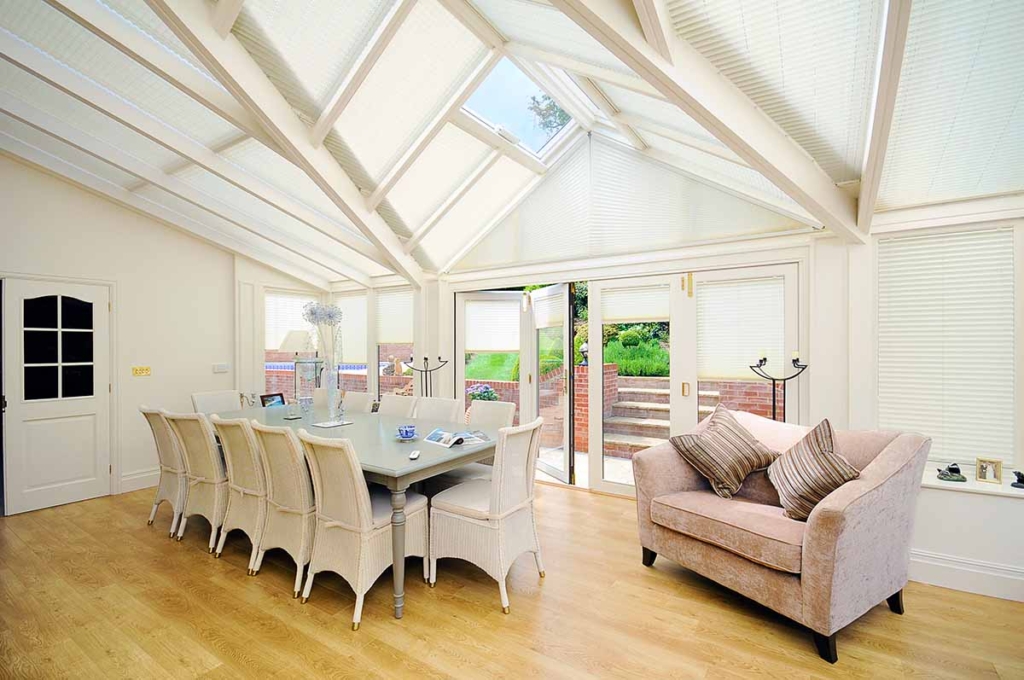
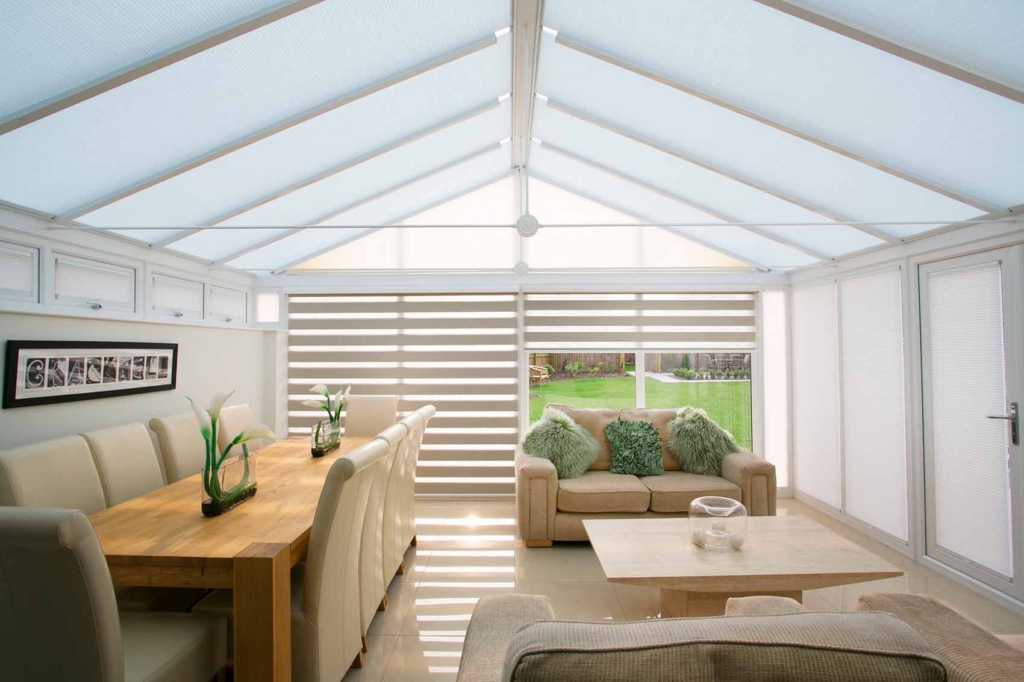
Specialist made to measure conservatory blinds also fit closely against the glazing, reducing temperature fluctuations that lead to condensation.
When used alongside ventilation and humidity control, blinds can play an important role in maintaining a healthier conservatory environment.
Are you reading to insulate your conservatory? Get in touch to have a free consultation.
HELPFUL INFORMATION
Frequently Asked Questions
Why is my conservatory full of condensation?
This usually happens when warm, humid air meets cold glass surfaces. Conservatories have large areas of glazing, which makes condensation more likely during colder weather.
How to stop condensation on conservatory windows?
Improve ventilation, reduce humidity and maintain a stable room temperature. Opening vents and using a dehumidifier can help reduce condensation.
How to prevent condensation in a conservatory?
The best approach is controlling humidity levels and ensuring proper airflow. Preventing moisture build up stops condensation from forming on glass surfaces.
Do roller blinds cause condensation?
No. Condensation is caused by humidity and temperature differences, not blinds.
How do I stop condensation in my conservatory during winter?
No. Condensation is caused by humidity and temperature differences, not blinds.
How to stop conservatory mould?
Reducing condensation and humidity is the most effective way to stop mould forming in conservatories.